Oral Cancer Screening Can Save Lives
Oral cancer is a serious and often life-threatening condition that affects thousands of people every year. Despite advances in medical science, oral cancer continues to claim lives largely because it is diagnosed too late. What many people don’t realize is that oral cancer screening is simple, quick, painless, and can literally save lives. Regular dental visits play a crucial role in early detection, dramatically improving survival rates and treatment outcomes.
In this comprehensive guide, we will explore what oral cancer is, why screening is essential, who is at risk, how screening is done, and how early detection can make the difference between life and death.
What Is Oral Cancer?
Oral cancer refers to cancer that develops in any part of the mouth or oral cavity. It can affect:
- Lips
- Tongue
- Gums
- Inner cheeks
- Floor of the mouth
- Roof of the mouth (palate)
- Throat (oropharynx)
Most oral cancers are squamous cell carcinomas, which develop in the thin, flat cells lining the mouth and throat.
Why Oral Cancer Is a Serious Health Concern
Oral cancer is particularly dangerous because it often develops silently. In the early stages, symptoms may be mild or completely absent. By the time noticeable signs appear, the cancer may already be advanced and harder to treat.
Key Facts About Oral Cancer:
- Early-stage oral cancer has a high survival rate
- Late-stage oral cancer significantly reduces survival chances
- Many cases are detected only during routine dental check-ups
- Regular screening can identify abnormalities before symptoms appear
This is why oral cancer screening can save lives.
What Is Oral Cancer Screening?
Oral cancer screening is a preventive examination performed by a dentist or healthcare professional to check for early signs of cancer or precancerous conditions in the mouth.
The screening is:
- Non-invasive
- Painless
- Quick (usually takes a few minutes)
- Often included in routine dental check-ups
Despite its simplicity, this screening is one of the most powerful tools for early cancer detection.
Why Early Detection Matters
Early detection is the single most important factor in successfully treating oral cancer.
Benefits of Early Detection:
- Higher survival rates
- Less aggressive treatment
- Better quality of life after treatment
- Lower treatment costs
- Reduced risk of cancer spreading
When oral cancer is detected early, treatment is more effective and recovery outcomes are significantly better.
Who Is at Risk of Oral Cancer?
While oral cancer can affect anyone, certain factors increase the risk.
Common Risk Factors:
- Tobacco use (smoking or chewing)
- Excessive alcohol consumption
- Combined use of tobacco and alcohol
- Human papillomavirus (HPV) infection
- Prolonged sun exposure (lip cancer)
- Poor oral hygiene
- Family history of cancer
- Age over 40
However, it’s important to note that oral cancer can also occur in people without these risk factors, making regular screening essential for everyone.
Signs and Symptoms of Oral Cancer
Many early signs of oral cancer are subtle and often ignored. Knowing what to look for can help prompt early evaluation.
Common Warning Signs:
- Persistent mouth sores that do not heal
- Red or white patches inside the mouth
- Lumps or thickened areas in the mouth or neck
- Difficulty chewing or swallowing
- Persistent sore throat
- Numbness or pain in the mouth or lips
- Loose teeth without a clear reason
- Voice changes
If any of these symptoms last more than two weeks, immediate dental or medical evaluation is crucial.
How Oral Cancer Screening Is Performed
Oral cancer screening is typically conducted during a routine dental visit.
Step-by-Step Screening Process:
1. Visual Examination
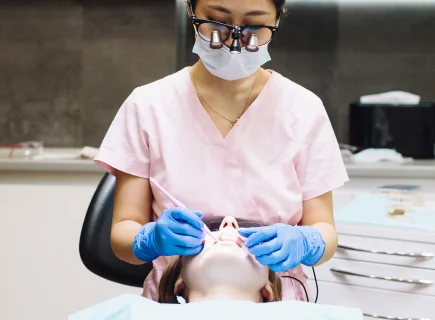
The dentist carefully examines the lips, tongue, gums, cheeks, and throat for any visible abnormalities such as discoloration, sores, or swelling.
2. Physical Palpation
The dentist gently feels the jaw, neck, and lymph nodes to detect lumps or unusual tissue changes.
3. Advanced Screening Tools (If Needed)
Some clinics may use additional tools like special lights or dyes to highlight abnormal tissues.
The entire process is quick, comfortable, and extremely effective.
Role of Dentists in Oral Cancer Detection
Dentists are often the first healthcare professionals to detect signs of oral cancer. Their training allows them to recognize subtle changes that may go unnoticed by patients.
Regular dental visits provide:
- Continuous monitoring of oral tissues
- Comparison with previous examinations
- Immediate referral for further testing if needed
This makes dentists a critical line of defense in the fight against oral cancer.
Oral Cancer Screening and Overall Health
Oral health is closely linked to general health. Early detection of oral cancer can prevent complications that affect speech, eating, appearance, and mental well-being.
Screening also promotes:
- Better awareness of oral health
- Early management of precancerous lesions
- Improved long-term health outcomes
Importance of Regular Dental Check-Ups for Screening
Many people skip dental visits if they have no pain. This is a dangerous misconception. Oral cancer often causes no pain in early stages, making routine dental check-ups essential.
Dentists recommend:
- Oral cancer screening at least once a year
- More frequent screening for high-risk individuals
Routine visits ensure early detection even before symptoms arise.
Oral Cancer Screening for High-Risk Individuals
People with higher risk factors should be especially vigilant.
High-risk patients may require:
- More frequent screenings
- Lifestyle counseling (tobacco and alcohol cessation)
- Close monitoring of suspicious lesions
Early intervention can significantly reduce cancer progression.
Common Myths About Oral Cancer Screening
Myth 1: Screening is painful
Fact: Oral cancer screening is completely painless.
Myth 2: Only smokers need screening
Fact: Anyone can develop oral cancer.
Myth 3: No symptoms means no cancer
Fact: Early oral cancer often shows no symptoms.
Understanding these facts can encourage more people to prioritize screening.
How Oral Cancer Screening Saves Lives
The impact of oral cancer screening cannot be overstated.
- Detects cancer at an early, treatable stage
- Reduces mortality rates
- Prevents extensive surgeries and aggressive treatments
- Improves patient survival and quality of life
Simply put, oral cancer screening saves lives by catching disease before it becomes deadly.
Prevention Tips to Reduce Oral Cancer Risk
While screening is vital, prevention also plays an important role.
Preventive Measures:
- Avoid tobacco in all forms
- Limit alcohol consumption
- Maintain good oral hygiene
- Eat a balanced, nutrient-rich diet
- Protect lips from excessive sun exposure
- Visit your dentist regularly
Healthy lifestyle choices combined with regular screening offer the best protection.
Final Thoughts
Oral cancer is a serious disease, but it does not have to be fatal. With regular oral cancer screening, early detection is possible, treatment becomes more effective, and survival rates improve dramatically. A simple, painless examination during routine dental visits can make the difference between early recovery and late-stage complications.
If you truly care about your health and the health of your loved ones, make oral cancer screening a priority. Because early detection doesn’t just treat disease—it saves lives.
Schedule regular dental check-ups and take a proactive step toward a healthier, safer future.